
 Tracesci
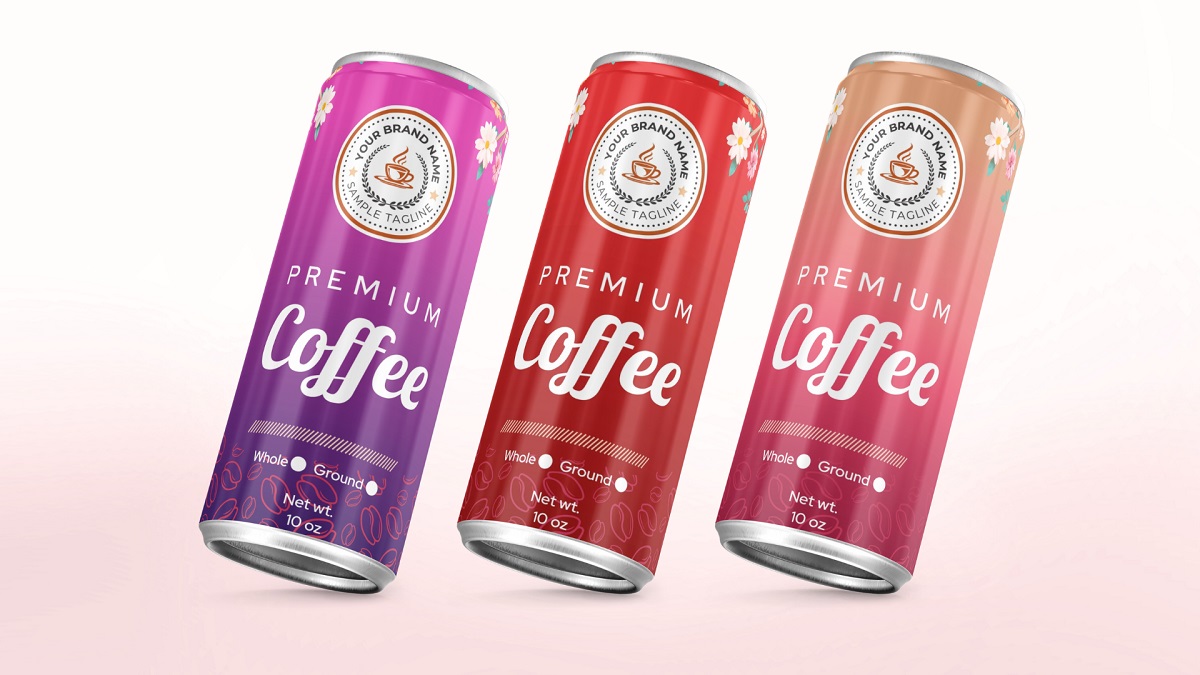
In the ever-evolving world of packaging, where design meets function and speed meets sustainability, shrink sleeves have emerged as a dynamic labeling solution that continues to gain ground across industries. Whether you’re browsing beverage aisles, purchasing cosmetics, or picking up cleaning products, chances are you’ve already interacted with a product wrapped in a shrink sleeve.
So what makes shrink sleeves such a powerful tool in modern packaging? Let’s dive in.
What Are Shrink Sleeves?
Shrink sleeves are full-body labels made from plastic films such as PET-G, PVC, OPS, or PLA, which are printed and then shrunk around a container using heat. Unlike traditional labels, they conform to complex container shapes, offering 360-degree design coverage and additional features like tamper evidence and barrier protection.
Market Growth & Demand
The global shrink sleeve labels market is experiencing significant growth, driven by increased demand from industries like beverages, food, pharmaceuticals, and personal care.
- According to MarketsandMarkets, the shrink sleeve label market size is projected to grow from USD 14.4 billion in 2021 to USD 18.9 billion by 2026, at a CAGR of 5.6%.
(Source: MarketsandMarkets, 2023 Shrink Sleeve Labels Market Report) - The beverage sector alone accounts for over 40% of shrink sleeve usage, thanks to the high visibility and vibrant aesthetics it offers in retail settings.
Why Shrink Sleeves Are Gaining Popularity
- Branding Power & Visual Impact
Shrink sleeves offer unmatched real estate for design and messaging. The ability to wrap entirely around containers allows for 360-degree branding, making them ideal for shelf differentiation and storytelling.
- Versatility in Shape & Material
They can conform to containers of virtually any shape—whether it’s curved, contoured, or uniquely molded. This flexibility makes shrink sleeves a top choice for innovative packaging designs.
- Tamper Evidence & Security
Shrink sleeves can be applied over the cap or lid, acting as a built-in tamper-evident seal, which is critical for food, pharma, and cosmetic products.
- Durability & Moisture Resistance
The materials used in shrink sleeves are often resistant to moisture, abrasion, and scuffing, making them suitable for refrigerated or high-humidity environments.
- Sustainability & Recyclability
Modern shrink sleeve technologies include options like recyclable PET-G or eco-friendly PLA, aligning with sustainability goals. Techniques like floatable inks and perforations help facilitate recycling without contaminating the material stream.
Applications Across Industries
| Industry | Application Example |
| Beverages | Energy drinks, bottled water, craft beers |
| Food | Sauces, ready-to-drink meals, dairy |
| Cosmetics | Shampoo, lotion, skincare tubes |
| Pharmaceuticals | Nutraceuticals, OTC drugs |
| Household | Cleaners, detergents, sprays |
Challenges & Innovations
While shrink sleeves are highly beneficial, they come with challenges such as film handling complexity, heat sensitivity, and recyclability concerns. However, advances in digital printing, inkjet technology, and sustainable materials are addressing these limitations rapidly.
One such advancement is the rise of digital inkjet printing, which allows for short runs, customization, and high-quality output on difficult substrates—making it ideal for shrink sleeve production.
Conclusion
Shrink sleeves represent the future of packaging where form meets function, and aesthetics meet innovation. As consumers become more design-conscious and sustainability-focused, the demand for flexible, impactful, and eco-conscious packaging solutions like shrink sleeves will only grow.
Whether you’re a brand looking to stand out or a converter seeking versatility, shrink sleeves offer a competitive edge that’s hard to ignore.